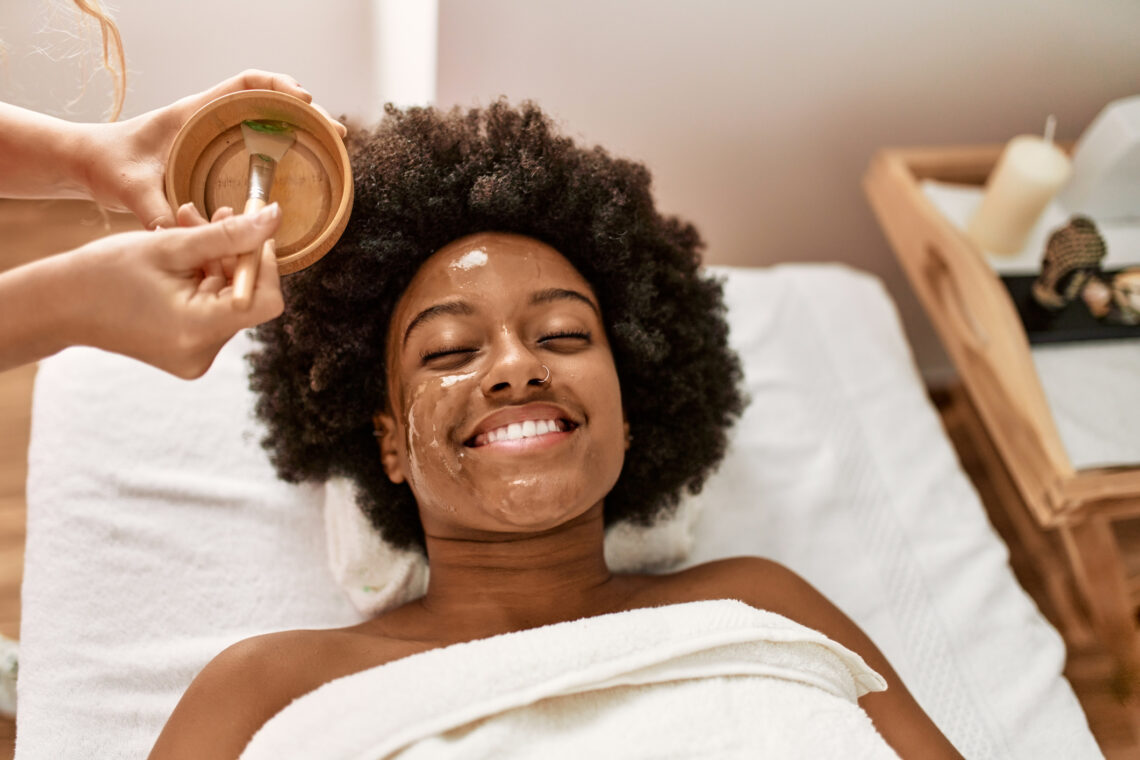
Your First Facial: What to Know as a Black Woman Booking a Skincare Treatment
Introduction: Facial Skincare is Self-Care—But It Hasn’t Always Been Inclusive
Booking your first facial is an exciting milestone. It signals a deeper commitment to caring for your skin and carving out time for rest, luxury, and self-preservation. But for Black women, the process comes with extra considerations. Too often, skincare spaces are designed without us in mind. From products formulated with harsh actives that cause hyperpigmentation to estheticians who aren’t trained on melanin-rich skin, we’ve had to navigate a world that treats our skin as an afterthought.
At Velvet Melanin, we believe your first facial should feel empowering, not intimidating. This guide will help you confidently book your first professional skincare treatment by showing you how to:
- Choose an esthetician who understands melanin-rich skin.
- Recognize red flags during your consultation.
- Identify treatments that are safe, effective, and melanin-friendly.
- Avoid common procedures that may do more harm than good.
Whether you’re battling acne, hyperpigmentation, or just craving that post-facial glow, this article will arm you with the skincare literacy you need to feel confident in any treatment room.
Why Choosing the Right Esthetician Matters for Black Women
The truth is simple: not all estheticians are trained to work with Black skin. In many cosmetology schools, the curriculum still primarily centers around lighter skin tones, leaving gaps in education when it comes to conditions that disproportionately affect Black women, such as post-inflammatory hyperpigmentation (PIH), keloid scarring, and ingrown hairs.
When booking your first facial, prioritize finding a skincare professional who:
- Has experience treating melanin-rich skin. Look for before-and-after photos of clients with skin tones similar to yours.
- Talks knowledgeably about hyperpigmentation. If they understand how easily dark spots can develop, they’ll take preventative measures.
- Doesn’t overpromise. A good esthetician will explain that lasting skin improvements take time, especially with hyperpigmentation. Quick fixes are usually red flags.
- Asks questions. They should inquire about your skincare history, sensitivities, and goals before touching your skin.
Remember: You’re not just paying for a service—you’re entrusting someone with your skin health.
Pro Tip for SEO & Skincare Literacy: Search for terms like “Black esthetician near me”, “facials for dark skin”, or “treatments safe for Black skin” when researching providers.
Red Flags to Watch For During Your First Facial Appointment
Not every esthetician who seems friendly is necessarily the right fit. Protecting your skin means knowing when to walk away. Watch out for these red flags:
- They dismiss your concerns. If you mention fears about hyperpigmentation or scarring and they brush it off, that’s a problem.
- They suggest aggressive chemical peels right away. Strong peels can damage melanin-rich skin when not carefully tailored.
- They can’t explain ingredients. If they’re vague about what’s in the products they’re applying, they may not fully understand their impact on Black skin.
- They have no testimonials from clients of color. Representation matters. If you don’t see proof of their experience with Black skin, proceed cautiously.
- They use blanket approaches. Your facial should be customized—not a one-size-fits-all treatment.
Bottom line: If you don’t feel heard, respected, and informed, that esthetician isn’t the right one for you.

Facial Treatments That Work Well for Melanin-Rich Skin
Not all facials are created equal. Some treatments are safe and effective for Black women, while others require a gentler approach. Here are treatments to consider:
Gentle Enzyme Facials
Perfect for beginners, enzyme facials use natural fruit enzymes (like papaya or pineapple) to exfoliate without over-stripping the skin.
Hydrating Facials
Since dry skin can worsen hyperpigmentation, facials that focus on hydration and barrier repair are excellent choices.
LED Light Therapy (Red & Blue)
Red light reduces inflammation while blue light helps with acne. Non-invasive and safe for all skin tones.
Oxygen Facials
These deliver nutrients and hydration deep into the skin, leaving it refreshed and glowing.
Microdermabrasion (When Done Gently)
Can improve texture and tone, but make sure your esthetician uses the lightest setting to avoid irritation.
Facial Treatments Black Women Should Approach With Caution
Because Black skin produces more melanin, it’s more prone to discoloration when irritated. Be mindful of these treatments:
⚠️ Strong Chemical Peels
High-strength peels can trigger PIH (dark spots). If you do try one, it should be under the supervision of an esthetician or dermatologist experienced with Black skin.
⚠️ Laser Treatments
Not all lasers are safe for darker tones. Always ask: “Is this laser safe for Fitzpatrick skin type V–VI?” If they hesitate, skip it.
⚠️ Aggressive Extractions
Improper technique can cause scarring or dark spots. Gentle, minimal extractions are safest.
⚠️ Dermaplaning
While popular, dermaplaning can sometimes irritate sensitive melanin-rich skin. Proceed carefully.
Preparing for Your First Facial as a Black Woman
Your pre-treatment prep can make or break your first facial experience. Here’s how to set yourself up for success:
- Research thoroughly. Read reviews, look at photos, and even call ahead with questions.
- Avoid harsh products 3–5 days prior. Pause retinoids, exfoliating acids, and strong acne treatments.
- Come barefaced. Arrive with clean skin and no makeup.
- Share your history. Be open about past reactions, allergies, or issues with hyperpigmentation.
- Set realistic goals. Your first facial won’t erase dark spots overnight—it’s the start of a journey.
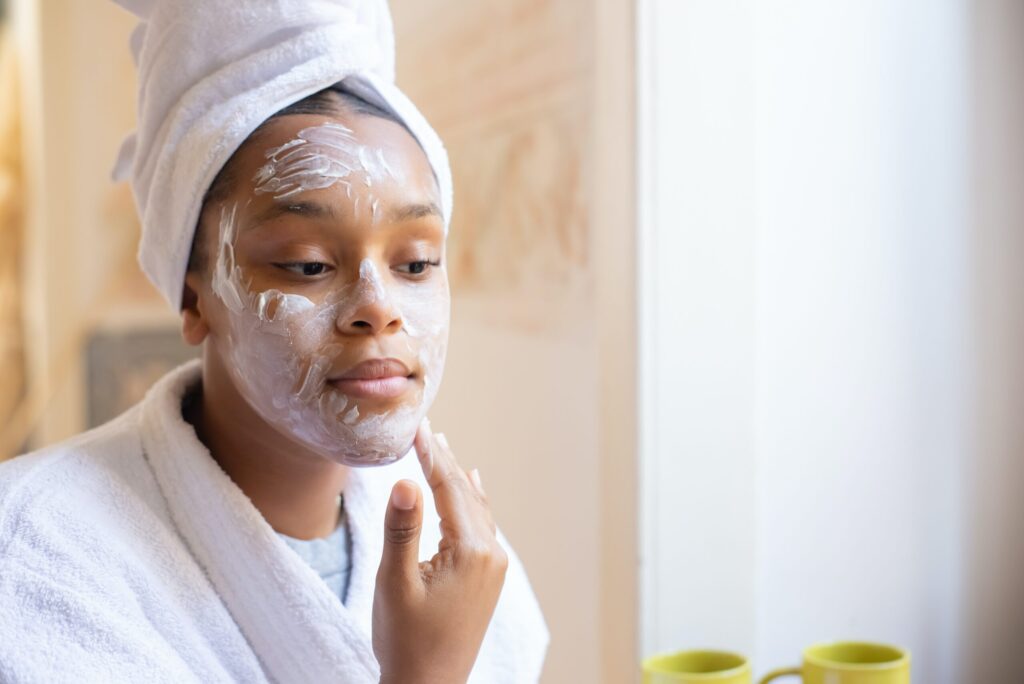
Aftercare: Protecting Your Glow
After your facial, your esthetician should send you home with aftercare instructions. If they don’t—ask! For Black women, aftercare is essential to prevent PIH and maintain results.
- Prioritize sunscreen. Daily SPF is non-negotiable, even for deeper skin tones.
- Stay hydrated. Drink water and use a good moisturizer.
- Skip makeup for 24 hours. Let your skin breathe.
- Avoid sun exposure. Newly treated skin is more sensitive to UV rays.
- Don’t pick at your skin. Resist the urge to touch any areas that were treated.
Building Confidence in Skincare Spaces
Walking into a spa as the only Black woman can feel intimidating. But remember—you belong in every space that promotes wellness, beauty, and care. Here’s how to own your confidence:
- Come with questions. You have the right to know what’s being used on your skin.
- Advocate for yourself. If something feels off, speak up.
- Seek community. Follow Black estheticians on Instagram or TikTok for inspiration and education.
- Support Black-owned spas. Whenever possible, invest in estheticians who already center melanin-rich skin in their practice.
Why This Matters: Beyond the Facial
For Black women, booking a facial isn’t just about pampering. It’s about reclaiming our right to beauty rituals that honor our uniqueness. It’s about demanding inclusion in spaces that often ignore us. And it’s about educating ourselves so that no one can take advantage of our lack of knowledge.
Skincare literacy is power. When you know what to look for—and what to avoid—you show up to your appointment informed, confident, and ready to glow on your own terms.
Conclusion: Your Skin, Your Standards
Your first facial should feel like a celebration, not a gamble. By choosing the right esthetician, watching for red flags, and knowing which treatments work best for melanin-rich skin, you’ll set yourself up for long-term skin health and radiant confidence.
At Velvet Melanin, we’re here to remind you: your skin is worthy of expert care, thoughtful treatment, and unapologetic luxury. Whether you’re walking into your first spa or your fiftieth, never forget—you set the standard.

VelvetMelanin
🌟 Welcome to Glowing in Your Melanin! 🌟 Your skincare journey just leveled up - you’ve just found your new skincare sanctuary! This is the space where melanin-rich skin is celebrated, nourished, and empowered. We’re serving real skincare tips, glow-up routines, and product reviews made just for us. Because your skin isn’t an afterthought -it’s the blueprint. 👑 Sign up to stay in the glow! Let’s build a community that glows together. This is more than a page - it’s a community of queens uplifting queens.