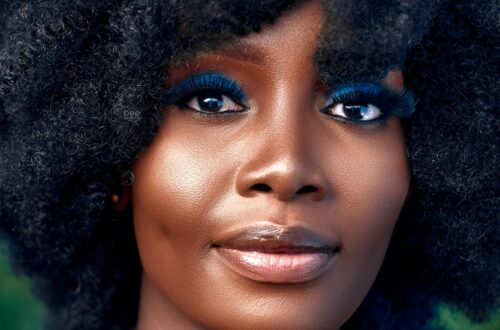
The Truth About Skin Bleaching: Reclaiming Our Radiance
In beauty aisles across the globe, one product continues to spark controversy and concern: skin-lightening creams. For decades, the skin bleaching industry has thrived by selling the idea that lighter skin equals greater beauty, success, and desirability. But behind the glossy ads and promises of “flawless fairness” lies a much deeper story — one intertwined with colonialism, colorism, identity, and health risks.
At Velvet Melanin, we believe in reclaiming our radiance. This is not just about skincare. It’s about rewriting narratives that have, for too long, devalued deeper skin tones and pressured people into harmful beauty practices. Today, we’ll take a compassionate, candid look at skin bleaching, why it persists, and how we can collectively embrace the beauty of melanin.
Understanding Skin Bleaching: What Is It, Really?
Skin bleaching, also called skin lightening or whitening, refers to the use of chemical products, treatments, or procedures designed to reduce melanin in the skin. Common active ingredients include hydroquinone, corticosteroids, and mercury, all of which can carry dangerous side effects with prolonged use.
These products often promise:
- A lighter, more “even” skin tone
- Reduction of dark spots and hyperpigmentation
- A supposed boost in beauty, confidence, and social acceptance
But behind these claims is a toxic message: that darker skin is something to be “fixed” rather than celebrated.
The Roots of Colorism: Why Skin Bleaching Became a Global Phenomenon
To understand why skin bleaching remains so widespread, we must talk about colorism. Unlike racism, which operates across different races, colorism exists within communities of color, favoring lighter skin over darker shades.
Its roots can be traced back to colonial history, where European standards of beauty were enforced and internalized. Lighter skin became associated with wealth, privilege, and power, while darker skin was unfairly linked to servitude and inferiority.
Fast forward to today, and we still see these preferences reinforced in media, job markets, and even in personal relationships. In countries like Nigeria, India, and the Philippines, multi-billion-dollar skin-lightening industries thrive, marketing creams that promise success, love, and beauty — all tied to lighter skin.
This isn’t vanity. This is systemic conditioning.
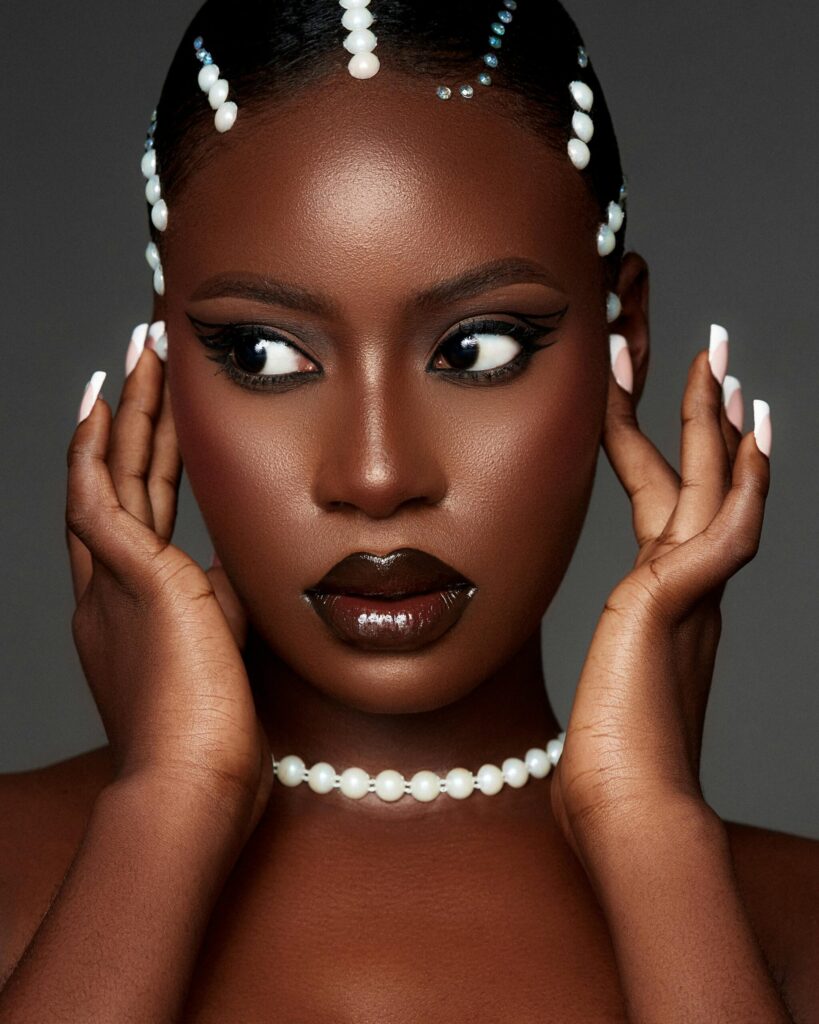
The Dangers of Skin Bleaching: More Than Skin Deep
Skin bleaching is not just emotionally damaging — it can also be physically dangerous. Prolonged use of lightening products may cause:
- Skin thinning and damage due to steroids
- Mercury poisoning, which can affect the nervous system and kidneys
- Increased risk of cancer from hydroquinone use
- Paradoxical darkening of skin, where bleaching creates blotchy, uneven tones
- Addiction to bleaching, where people feel unable to stop despite risks
Even beyond these health dangers, bleaching perpetuates harmful cycles of self-hate and comparison.
Reclaiming Our Radiance: The Power of Embracing Melanin
So how do we shift away from skin bleaching toward embracing natural beauty? It starts with reframing beauty itself. Melanin-rich skin is not only gorgeous but biologically powerful. Did you know that melanin provides natural sun protection, helps slow visible aging, and gives our skin a luminous glow?
The global movement to celebrate melanin is growing. From campaigns like #MelaninPoppin to inclusive beauty brands creating products for deeper skin tones, change is underway. At Velvet Melanin, we believe our shades of brown, bronze, caramel, cocoa, and ebony are not flaws — they are power.
How to Care for Melanin-Rich Skin Without Bleaching
Instead of trying to erase melanin, let’s nurture it. Here are safe, empowering skincare tips:
- Hydration is key – Moisturized skin glows from within. Look for natural oils like jojoba, shea butter, or argan.
- SPF isn’t optional – Yes, melanin offers some sun protection, but sunscreen prevents hyperpigmentation and UV damage.
- Gentle exfoliation – Brighten your skin naturally with AHAs and BHAs instead of harsh bleaching agents.
- Vitamin C serums – Even out skin tone and reduce dark spots safely.
- Celebrate, don’t conceal – Use makeup shades that highlight your undertones rather than trying to lighten them.
Your skincare routine should be about protection, nourishment, and celebration, not erasure.
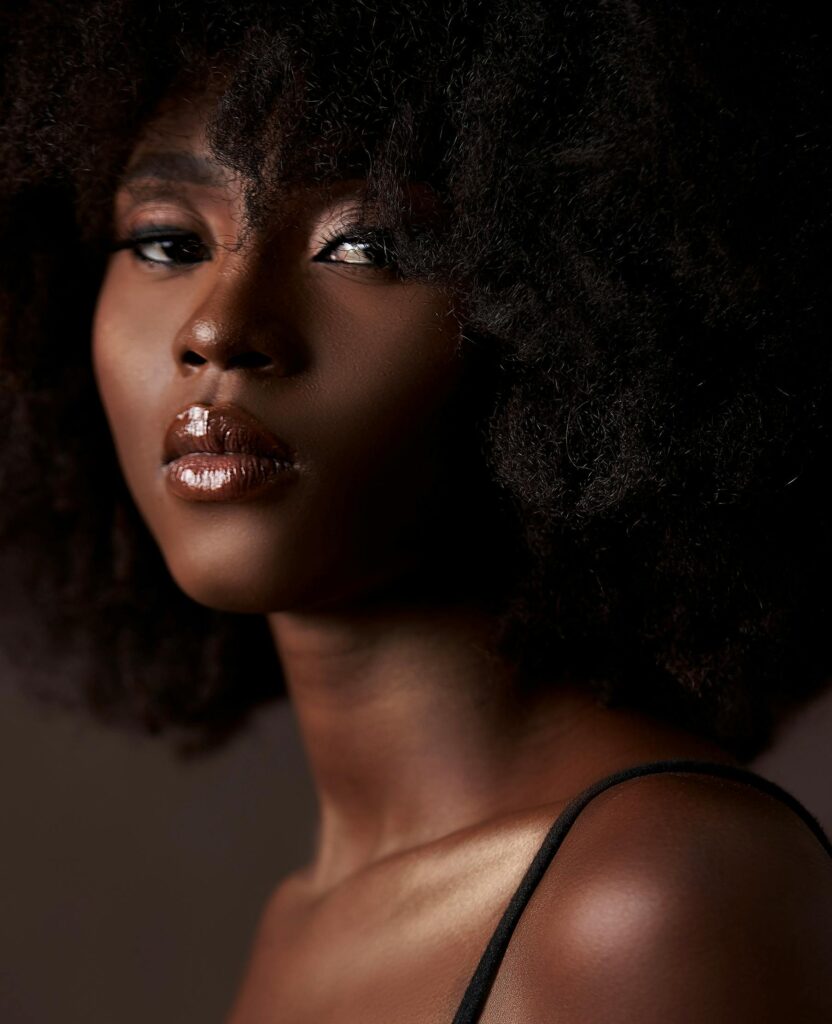
Breaking the Cycle: How Communities Can Heal from Colorism
Individual choices matter, but dismantling colorism is also a collective effort. Here’s how we can begin to shift culture:
- Media Representation: Demand diverse models in campaigns. Representation matters.
- Education: Teach children about the beauty and strength of melanin from an early age.
- Community Conversations: Create safe spaces to talk about colorism and its impacts.
- Support Ethical Beauty Brands: Spend intentionally on brands that celebrate inclusivity, not perpetuate harmful ideals.
When we challenge the narratives, we heal the next generation.
Velvet Melanin’s Commitment: Beauty Meets Empowerment
At Velvet Melanin, we’re not just a skincare blog — we’re a movement. Our goal is to educate, empower, and inspire people of all skin tones to embrace the richness of their melanin. By providing skincare tips, cultural insight, and affirmations, we want to shift beauty conversations toward inclusivity and empowerment.
We envision a world where no one feels pressured to bleach their skin just to be seen as beautiful or worthy. Instead, radiance will be defined by confidence, health, and authenticity.
Final Thoughts: Reclaiming Radiance, One Shade at a Time
The truth about skin bleaching is painful but necessary to confront. It’s a practice rooted in historical oppression and modern exploitation. But here’s the brighter truth: our melanin is powerful, precious, and endlessly beautiful.
To those struggling with colorism’s weight, know this — you are not alone. Your shade is worthy. Your glow is already enough. And together, as a community, we can reclaim our radiance and redefine beauty on our own terms.

VelvetMelanin
🌟 Welcome to Glowing in Your Melanin! 🌟 Your skincare journey just leveled up - you’ve just found your new skincare sanctuary! This is the space where melanin-rich skin is celebrated, nourished, and empowered. We’re serving real skincare tips, glow-up routines, and product reviews made just for us. Because your skin isn’t an afterthought -it’s the blueprint. 👑 Sign up to stay in the glow! Let’s build a community that glows together. This is more than a page - it’s a community of queens uplifting queens.


You May Also Like
Your First Facial: What to Know as a Black Woman Booking a Skincare Treatment

How Much Water Does Your Skin Need? 7 Powerful Hydration Truths Every Black Woman Must Know (Part 1)