Hyperpigmentation in Spring: 7 Sneaky Ways Spring Sun Darkens Dark Spots (And How to Stop It)
Spring Sun Is the Sneakiest Enemy of Your Dark Spots
There is a dangerous skincare myth that quietly sabotages melanin-rich skin every year.
It arrives the moment winter fades.
The air feels warmer.
The sky looks softer.
The sun feels gentle.
And so many of us relax our skincare routines.
But here is the truth no one tells you:
Spring is when hyperpigmentation quietly gets worse.
Not summer.
Spring.
Every year, thousands of people with deeper skin tones across the UK notice something unsettling by May or June:
- Dark marks suddenly look darker
- Acne scars seem more visible
- Uneven tone becomes harder to fade
And most people assume it is coincidence.
It isn’t.
Spring sunlight is one of the most underestimated triggers of hyperpigmentation in melanin-rich skin.
Here at Velvet Melanin, our mission is simple:
To make sure Black skin in the UK never has to guess about skincare science again.
And today we are revealing exactly why spring sun darkens dark spots — and how to stop it before the damage happens.
Why Hyperpigmentation Worsens in Spring
Most people think hyperpigmentation is triggered only by summer sunburn.
But darker skin rarely burns.
Instead, melanin reacts to sunlight by producing more pigment.
This process becomes especially active during spring.
Here’s why.
1. UV Levels Rise Faster Than You Realise
The UK sun begins strengthening as early as March.
But because temperatures remain cool, most people assume sun damage is minimal.
This is a huge mistake.
UV radiation rises long before summer heat appears.
That means your skin is receiving increasing pigment-triggering light every day, even when it feels mild.
Your melanocytes — the pigment-producing cells in your skin — respond instantly.
For people prone to hyperpigmentation, this means:
Existing dark marks get darker.
2. Your Skin Is More Vulnerable After Winter
Winter leaves skin in a fragile state.
Cold air, indoor heating, and dry winds weaken the skin barrier.
By spring, many people with melanin-rich skin have:
- dehydrated skin
- increased inflammation
- slower cell turnover
When UV exposure suddenly increases, the skin reacts defensively.
The result?
More pigment production.
And that pigment often gathers in the exact places you least want it:
- acne scars
- old blemishes
- insect bite marks
- shaving irritation
- eczema patches
This is how post-inflammatory hyperpigmentation explodes in spring.
The Truth About UVA vs UVB for Darker Skin
One of the biggest skincare education gaps for melanin-rich skin is understanding UVA and UVB radiation.
Both affect the skin.
But they behave very differently.
UVB: The Burning Rays
UVB rays are responsible for sunburn.
They are strongest in summer and midday sunlight.
Because darker skin contains more melanin, it offers some protection against burning.
But that protection creates a dangerous illusion:
Many people with deeper skin tones assume sun damage isn’t happening.
Unfortunately, that assumption ignores the real culprit behind hyperpigmentation.
UVA: The Silent Pigment Trigger
UVA rays penetrate deeper into the skin.
They are present all year round, even when the sky looks cloudy.
Unlike UVB, UVA rays do not cause immediate redness or burning.
Instead they trigger something subtler:
melanin overproduction.
For people with melanin-rich skin, UVA rays stimulate melanocytes to produce more pigment in response to perceived damage.
That pigment accumulates in areas of inflammation.
Which means:
- acne scars darken
- old marks deepen
- uneven tone spreads
And because UVA rays penetrate glass, exposure happens even indoors.
Yes.
That includes sitting near windows or driving.
Why Melanin Does NOT Mean Sun Immunity
Let’s dismantle one of the most damaging myths in skincare.
“Black skin doesn’t need sunscreen.”
This myth has harmed generations of people with darker skin.
The truth is far more nuanced.
Melanin does provide some natural protection against UV radiation.
But it does not prevent:
- hyperpigmentation
- photoaging
- uneven tone
- inflammatory pigment reactions
In fact, people with melanin-rich skin are more prone to pigment disorders after sun exposure.
Why?
Because melanin production is extremely responsive to inflammation.
That means any small trigger can create long-lasting marks.
And sunlight is one of the biggest triggers.
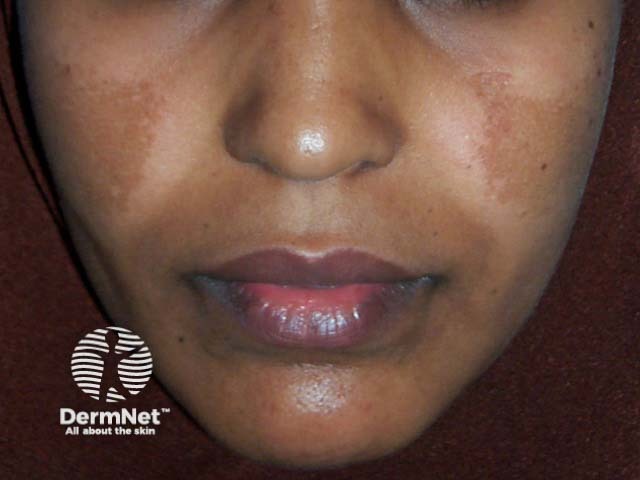
Why Spring Sun Is So Dangerous for Dark Spots
Spring sunlight creates the perfect conditions for hyperpigmentation.
Here is what makes it particularly risky.
1. People Stop Using Sunscreen
During winter, SPF routines are already inconsistent.
But once spring arrives, people begin spending more time outdoors:
- walking
- gardening
- commuting
- sitting in parks
Yet many still believe SPF is only necessary during summer holidays.
This leaves melanin-rich skin unprotected during the exact moment UV exposure begins rising.
2. Dark Spots Are Already Healing
Many people start treating hyperpigmentation during winter.
By spring, their skin is finally fading dark marks.
But UV exposure interrupts that healing process.
The sun stimulates melanocytes again, undoing months of progress.
Which is why so many people say:
“I was fading my marks and suddenly they came back.”
3. Inflammation From Spring Breakouts
Seasonal changes can trigger acne flare-ups.
Pollen, sweat, humidity, and changing routines all play a role.
For melanin-rich skin, every breakout carries a risk:
post-inflammatory hyperpigmentation (PIH).
If those breakouts are exposed to sunlight while healing, the resulting marks become deeper and more stubborn.
Preventing Post-Inflammatory Hyperpigmentation in Spring
Here is the good news.
Hyperpigmentation is preventable.
But prevention requires consistency and strategy, not guesswork.
Here are the Velvet Melanin fundamentals.
1. Daily Broad-Spectrum SPF Is Non-Negotiable
Sunscreen is the single most powerful anti-hyperpigmentation tool available.
Not exfoliation.
Not serums.
SPF.
Choose a broad-spectrum sunscreen that protects against both UVA and UVB rays.
For melanin-rich skin, modern formulas now avoid the dreaded white cast.
Look for:
- SPF 30 or higher
- UVA protection rating (PA or UVA circle)
- lightweight or gel formulas
2. Protect Skin Barrier Health
When the skin barrier is healthy, it is less reactive to inflammation.
Barrier-supporting ingredients include:
- ceramides
- hyaluronic acid
- glycerin
- panthenol
These help skin recover faster from irritation, reducing the likelihood of dark marks forming.
3. Treat Acne Early
For melanin-rich skin, untreated acne often leads to pigmentation.
Even small breakouts can leave marks lasting months.
Gentle active ingredients can help control breakouts without irritating the skin.
Examples include:
- salicylic acid
- niacinamide
- azelaic acid
4. Introduce Antioxidants
Antioxidants neutralise environmental stress before it triggers pigment production.
The most researched option is vitamin C.
Benefits include:
- brightening uneven tone
- reducing oxidative stress from sunlight
- supporting collagen production
5. Exfoliate Strategically
Hyperpigmentation fades faster when old pigment-filled cells are shed.
Chemical exfoliants can help accelerate this process.
Popular options include:
- lactic acid
- mandelic acid
- glycolic acid
But moderation is critical.
Over-exfoliation increases inflammation — which can worsen pigmentation.
The Velvet Melanin Spring Hyperpigmentation Routine
If you want to protect your glow this spring, follow this simple framework.
Morning
Cleanser
Antioxidant serum (Vitamin C)
Moisturiser
Broad-spectrum SPF
Evening
Cleanser
Targeted treatment (niacinamide / azelaic acid)
Moisturiser
2–3 nights per week:
Gentle chemical exfoliation.
Consistency matters more than complexity.
The Future of Black Skincare in the UK
For decades, skincare advice for darker skin tones was overlooked in the UK beauty industry.
Hyperpigmentation was often dismissed as a cosmetic concern.
But for millions of people with melanin-rich skin, it affects:
- confidence
- identity
- emotional wellbeing
At Velvet Melanin, we believe Black skincare deserves:
- science
- education
- authority
- representation
Our mission is to become the most trusted voice in melanin-rich skincare in the United Kingdom — and eventually the world.
Because the truth is simple.
When people understand their skin, they can finally care for it properly.
The Takeaway: Protect Your Glow Before Summer Arrives
Spring may feel gentle.
But for hyperpigmentation, it is one of the most critical seasons of the year.
If you remember only one thing from this article, remember this:
Spring sun is the sneakiest enemy of your dark spots.
Protecting melanin-rich skin is not about fear.
It is about knowledge.
And the more we share that knowledge, the more our skin can thrive.
Join the Velvet Melanin Movement
If you care about:
- fading dark spots
- understanding melanin skin science
- building powerful skincare routines
Then you belong here.
Velvet Melanin is not just a blog.
It is a growing movement dedicated to elevating Black skincare knowledge across the UK and beyond.
Kindly subscribe to get more updates about the latest trends.
Stay with us.
Your glow deserves it!
Image source:
DermNet NZ (2023) Melasma. Available at: https://dermnetnz.org/topics/melasma (Accessed: 17 March 2026).

VelvetMelanin
🌟 Welcome to Glowing in Your Melanin! 🌟 Your skincare journey just leveled up - you’ve just found your new skincare sanctuary! This is the space where melanin-rich skin is celebrated, nourished, and empowered. We’re serving real skincare tips, glow-up routines, and product reviews made just for us. Because your skin isn’t an afterthought -it’s the blueprint. 👑 Sign up to stay in the glow! Let’s build a community that glows together. This is more than a page - it’s a community of queens uplifting queens.